
CURA client, Nicole Harr, Senior Director of Community Programs & Education at the PKD Foundation, on grassroots advocacy
CURA has been a proud partner of the PKD Foundation since 2019. Throughout our partnership, our work has centered on supporting the Foundation’s grassroots advocacy and government relations efforts and advancing policies related to polycystic kidney disease (PKD) research, organ donation and transplantation.
CURA works with the Foundation’s team to lead the Advocacy Champions Network (ACN), a year-round grassroots community that prepares advocates for legislative action through trainings and education. Once a year, the community activates around in-person and virtual trainings and meetings on Capitol Hill for Advocacy Days.
Meet Nicole Harr, Senior Director of Community Programs & Education at the PKD Foundation. As we reflect on the successes of PKD Awareness Month in September and look ahead to the start of a new ACN program year, we sat down with Nicole to talk about our work together and the lessons we’ve learned about advocacy along the way.
Read on for the lessons we’ve learned building a sustained, engaged, year-round grassroots advocacy program.
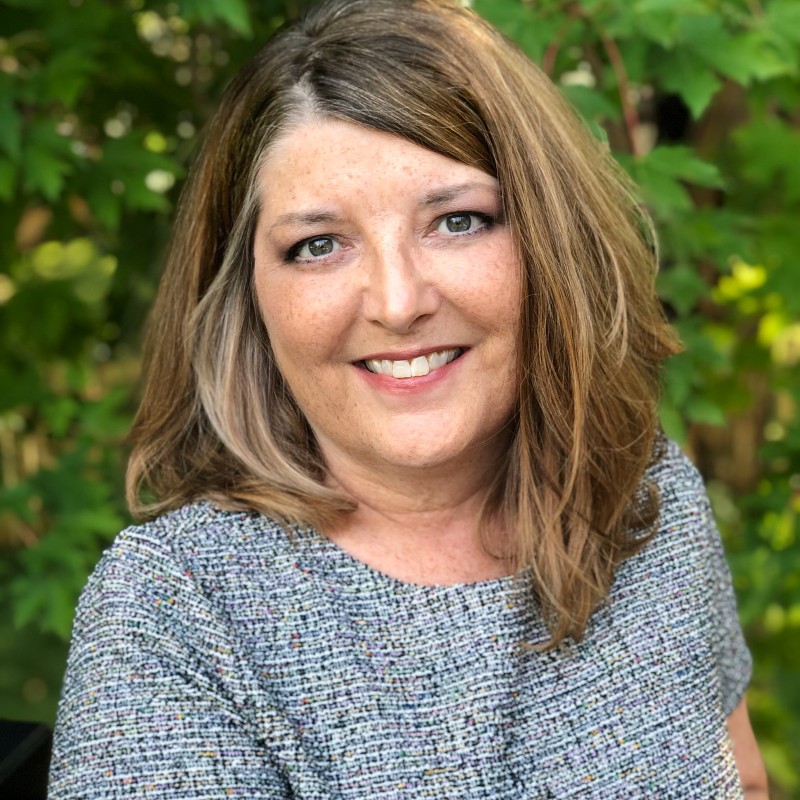
Q: Could you tell us a little about yourself, your role at the PKD Foundation, and your journey with the polycystic kidney disease (PKD) community?
Nicole: I’ve been with the PKD Foundation for 16 years and I currently serve as Senior Director of Community Programs & Education at the PKD Foundation, where I lead programs focused on helping people affected by PKD connect with education, support and opportunities to get involved. My connection to this work is also very personal because I live with PKD. I have a daughter with PKD and two granddaughters that are at risk of having PKD as well. I lost my father and grandfather to PKD way too early. I was diagnosed with PKD 25 years ago and I received a living donor transplant from my friend in 2018. I live each day with gratitude and the understanding that this gift gives me precious moments that I cherish with family and friends.
Over the years, I’ve had the opportunity to work alongside so many incredible patients, caregivers, volunteers, clinicians and researchers. One of the things I value most about the PKD community is that people aren’t just advocating for themselves — they’re working to make things better for the next generation of families affected by PKD.
Q: The PKD Foundation and CURA have been working together for several years now, dating back to the successful campaign to pass the Immuno Bill. Looking back, what stands out to you about how the Foundation’s advocacy program has grown since then?
Nicole: What stands out to me most is how much our advocacy program has grown from individual opportunities to take action into a sustained, year-round effort to build relationships and grow our network of advocates. The Immuno Bill was such an important example of what can happen when patients and families come together around a shared goal. Today, we’re not just asking advocates to contact Congress when we need something — we’re helping them develop ongoing relationships with their elected officials, understand the issues and become confident voices for the PKD community. Our partnership with CURA has been an important part of that growth, helping us equip advocates and build momentum over time.
Q: The PKD Foundation’s Advocacy Champions Network (ACN) is now wrapping up its sixth year, and you’ve worked alongside many of those volunteers since the beginning. What’s it been like watching that community grow, and what has made the Foundation’s advocacy program so successful?
Nicole: Working alongside our advocates and watching this program grow is one of the most rewarding parts of this work. I’ve seen volunteers go from being nervous about their first congressional meeting to confidently leading meetings, building relationships with congressional offices and encouraging others to get involved. What makes the program successful is the people. Our advocates bring their personal experiences and passion, and with CURA’s expertise, we work to give them the training, tools and support they need to use their voices to create change. We’ve also created a real sense of community within the network. It is incredibly inspiring to join our Advocacy Champions in learning, celebrating successes together and creating a network that is part of something much bigger than any one meeting or legislative priority.
Q: Earlier this summer, the PKD community saw a major development with the introduction of the PKD Cures Act, the first federal legislation focused exclusively on advancing PKD research. What lessons do you think other patient advocacy groups can take from the PKD community’s time working towards this introduction?
Nicole: The introduction of the PKD Cures Act is an exciting milestone for our community, but it didn’t happen because of one meeting or advocacy day. It reflects years of relationship building, education, collaboration and persistence. Our advocates have continued showing up and sharing their stories, while the Foundation has worked alongside researchers, clinicians and policymakers to build understanding of PKD and the need for greater investment in research. I think one of the biggest lessons for other patient advocacy organizations is to invest in those relationships. You may not always see the impact of a congressional meeting immediately, but every conversation helps build the understanding and support that can eventually lead to meaningful change.
Q: Advocacy is rarely a straight line. Some priorities, like the Living Donor Protection Act, can take multiple years and multiple congresses to gain momentum. How do you help volunteers stay motivated and celebrate progress along the way?
Nicole: One of the things I’ve learned is that our advocates don’t need to be convinced that this work matters — they already know because they live it every day. They are passionate about sharing their personal experiences and the ways PKD has impacted their families and others in their communities. That passion is what drives our advocacy program. Our role is to provide the training, resources and opportunities that help them turn those experiences into meaningful action. We also remind them that success in advocacy isn’t measured only by getting a bill over the finish line. Every meeting with a congressional office, every new cosponsor, every conversation that raises awareness about PKD helps build momentum. It’s important to celebrate those milestones along the way because they represent real progress. Legislative change often takes years, but our advocates understand that every conversation moves us one step closer to better treatments, better policies and ultimately, a cure.
Q: In previous years, the PKD Foundation has supported advocates in leading a variety of projects tied to PKD Awareness Month in September. What have you learned about using an awareness month to drive meaningful advocacy, and what advice would you offer other patient organizations looking to make the most of their own community’s awareness days/months?
Nicole: The PKD community is passionate about raising awareness of PKD. September gives us a natural opportunity to bring attention to PKD and to help people turn that awareness into action — requesting a proclamation, contacting an elected official or sharing their story. Not everyone is ready to meet with a member of Congress, but they may be willing to send an email or request a proclamation in their community. Giving people different ways to participate allows them to start where they’re comfortable and build from there. My advice to other patient organizations would be to think about an awareness month as a launching point — make it easy for people to take action and create opportunities for them to stay connected and engaged.